Why your charity needs a business plan
Hear from industry experts how a business plan can help your charity succeed.


Most charity leaders understand that good strategy matters. But when it comes to executing that strategy and turning that vision into action, many organisations feel stuck. The missing piece, more often than not, is a business plan.

"A lot of funders now are asking for business plans to show how their money will be used," says Gary Storer (right), a management consultant and one of Cranfield Trust's most experienced volunteers in business planning. "But there's another reason that's equally important: it keeps you focused on what you're really trying to do. When you're running a small or mid-sized charity, things come at you from all sides. A business plan is your route map for achieving your strategy."
The charities that get it right understand something crucial: a business plan isn't a compliance burden. It's a working tool that clarifies direction, builds confidence, and unlocks the next phase of growth. Here's how it works in practice.
One of the biggest challenges for growing charities is that they often lack clarity on their core proposition. "You're never too small to have a business plan," Gary says. "I've worked with small organisations doing everything they were asked to do, with no clarity on what actually generated income and what didn't. Once they had a plan, they became focused. That focus transforms everything."

Vision 4 Youth experienced this firsthand. As the North East Hampshire youth charity scaled from hosting youth clubs to offering mental health support and specialised neurodiversity work, they realised they needed "the professional piece of paper that holds it all together." Rather than starting from scratch, their volunteer Clare Mullane, Co-founder of Beyond the Label, worked with them collaboratively, pulling in what already existed, identifying gaps, and creating a business plan that was accessible to both the board and funders. "It's just a communication tool that pulls together all the things you were already doing," Clare explains. The result: trustees now have clarity on direction, and the charity is positioned to talk confidently with funders about what they do and why.
The second challenge is equally common: strategy gets written, but it never becomes operational. Charity leaders get swamped by the day-to-day and lose sight of the bigger picture.
"A business plan gives your leadership team a common language and a common goal," Gary explains. "When you sit down monthly or quarterly to review what's on plan, what's ahead, what's behind—that's when silos break down and people can actually help each other."
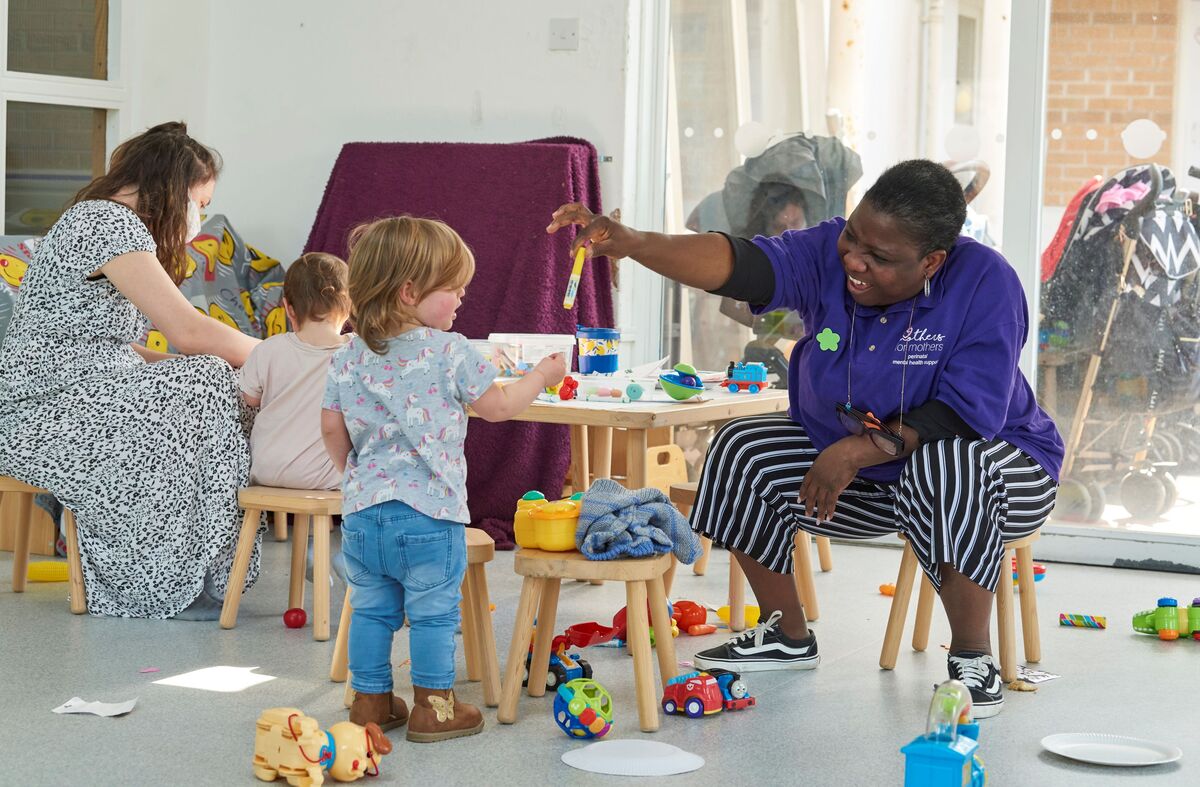
Mothers for Mothers, a 45-year-old postnatal mental health charity, hit this wall hard. COVID disrupted their planning, demand surged, and CEO Maria Viner found herself reporting only on service activity, never against strategy. The breakthrough came when their volunteer Barbara Harris provided structure—a template, deadlines, and an external person who understood the work. "I've got ADHD and I need that structure of deadlines and a framework," Maria reflects. "She set my homework for me, and something I'd been procrastinating with for a really long time actually came into being." But the deeper impact was strategic: Maria shifted from activity reporting to strategy reporting. "Having the business plan in place made a huge difference.”
The third challenge is more subtle: charities often try to do too much. They see the need, they have the passion, but they lack realistic planning around scope, funding, and sustainability.
"A business plan helps you move from reactive to proactive," Gary says. "You stop asking 'what's coming at us today?' and start asking 'where are we trying to go and how do we get there?' That shift changes everything."
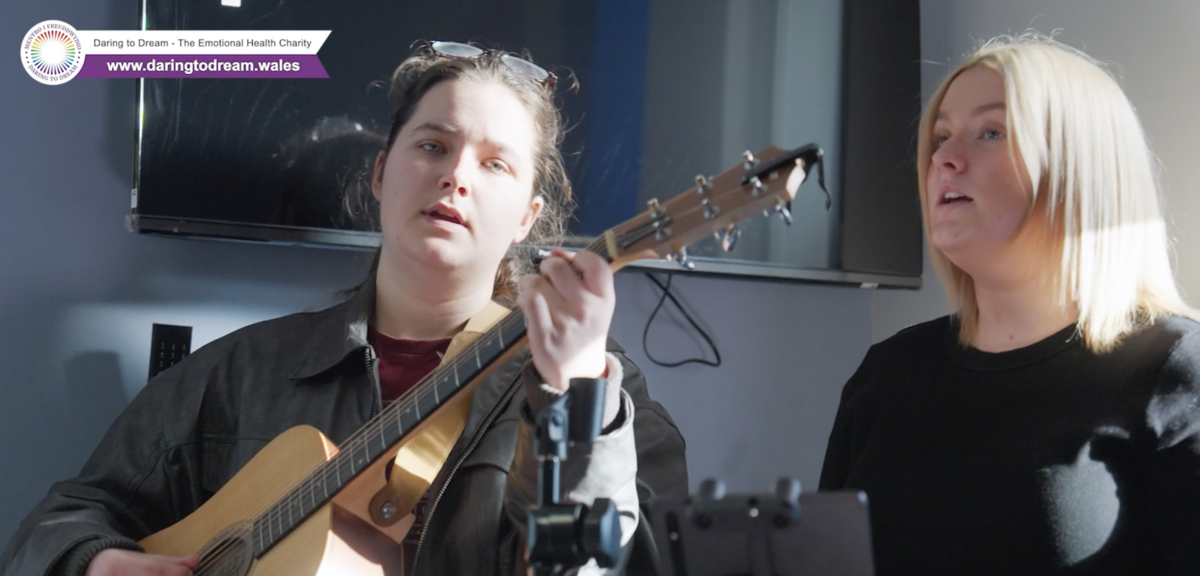
Daring to Dream, a Welsh emotional health charity founded by Barbara Chidgey, faced exactly this. By year three, Barbara was stretched trying to lead operations and strategy simultaneously. Their volunteer Richard didn't tell her what to do. Instead, he created financial forecasts and helped her get realistic about scope. Barbara initially wanted to support 1.2 million people with illness in Wales. "A small charity can never do that," Richard explains. "It's a question of what they can do that makes a difference." Working through the numbers, Daring to Dream set realistic, staged growth plans. The business plan became a working document they actually referred to and not something that just sat on the shelf.
Finally, there's governance. Many young charities, especially those founded by a passionate individual, lack the structural foundations they need to scale safely.
"A business plan isn't just about numbers," Gary emphasises. "You need clarity on how your organisation is run, who does what, how you keep people safe. Those pieces unlock the ability to deliver."
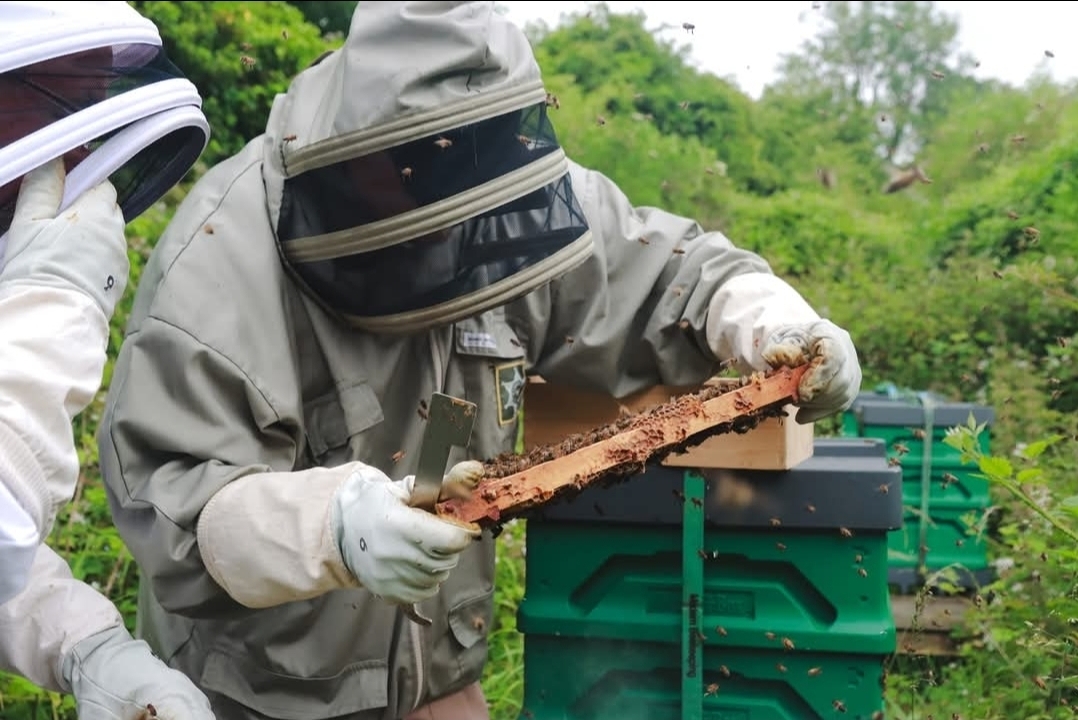
BWORKZ, a veterans-led beekeeping charity, started with one person and a lot of ideas but no formal structure. Founder John Mustoe didn't know where to begin with governance, safeguarding, or legal compliance. Their volunteer Ben took a different approach than usual: instead of handing John a template, he worked through it together, section by section, month by month. The business plan they built together gave John a 3–5 year blueprint and, critically, gave him confidence. "It's given us a lot more confidence when it comes to how the charity is run," John says. "We can help as many people as we can, knowing that all the boxes are ticked before they've even put the suit on." BWORKZ has since expanded to multiple locations and secured funding.
So what does a working business plan look like? Gary's framework includes strategic goals, service delivery plans, organisational structure, partnerships and funding plans, and key risks. "The whole thing should be 20–30 pages maximum," he says. "Not a compliance exercise. A working document your leadership team actually uses."
Crucially, it's not a one-time document. "A business plan is a living thing," Gary emphasises. "You put it together, use it in exec and board meetings. Circumstances change—new risks emerge, new opportunities appear. You adjust. But you keep the overall goals in sight."
Cranfield Trust's business planning support is designed for charities at any stage who want clarity on direction, efficiency in operations, or confidence in their structure. The approach is collaborative: your volunteer listens first, provides structure (templates, frameworks, deadlines), works alongside you rather than for you, keeps you realistic, and builds your ownership of the plan so you can execute it.
If you see yourself in one of these stories, a business plan can unlock your next phase. To explore whether this support might be right for your charity, get in touch with our team. We'll listen to your specific challenges and help you understand how this could help you move from reactive to strategic.


