Business plan development
Vision 4 Youth

May 2026
Vision 4 Youth worked with Cranfield Trust volunteer Clare Mullane to develop its first formal business plan. With the charity’s rapid growth outpacing its back-office infrastructure, Development Manager Abby Roper needed support to pull together a coherent strategy document but lacked the in-house capacity to do it alone. Working collaboratively through a series of online sessions, Clare and Abby built the plan from the ground up, drawing in the charity’s treasurer where needed. The result is a living document that has already energised the board and positioned Vision 4 Youth to pursue funding with greater confidence and clarity.
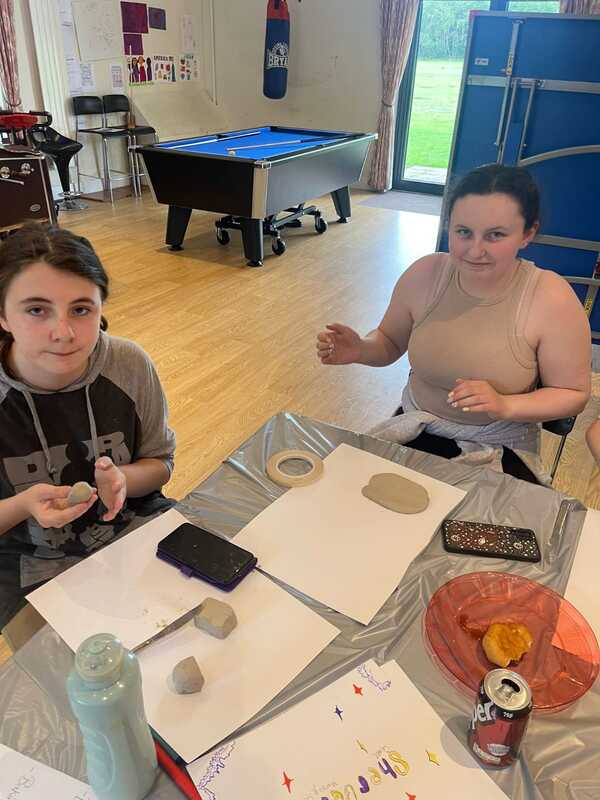
Vision 4 Youth is an independent youth charity based in Yateley, Hampshire, supporting young people aged 11 to 25 across the local community. Through six weekly youth clubs, a holiday programme, and a one-to-one service, the charity reaches around 180 young people every week.
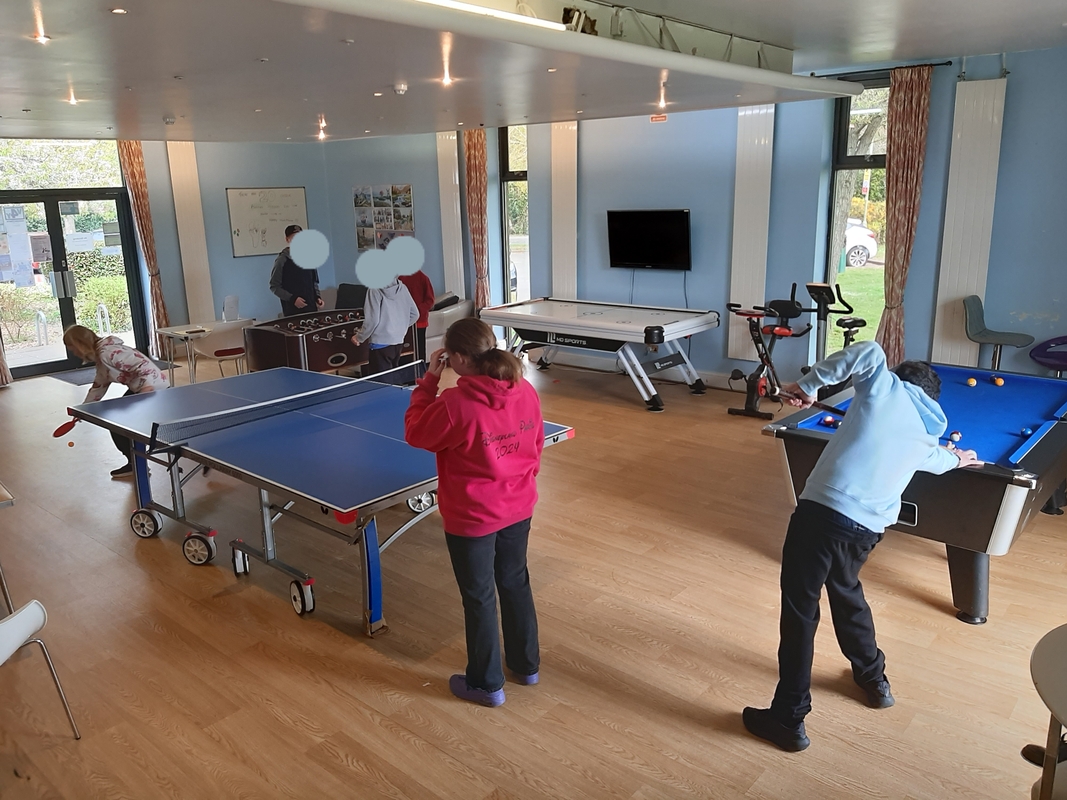
Since forming as a registered charity in 2017, Vision 4 Youth has grown rapidly, steadily expanding its services and reach. But with that growth came a common challenge: the back-office infrastructure hadn’t quite kept pace. Despite everything the charity was doing well on the ground, it didn’t have a formal business plan to pull together strategy, priorities, and direction into one coherent document.
Abby Roper, Development Manager at Vision 4 Youth recognised the gap. “We’d been through this period of rapid growth, and there were things we could tidy up a little bit in the back office,” she explains. “One of the things noted was that we didn’t have a business plan — the professional piece of paper that kind of holds it all together.”
The issue wasn’t a lack of ambition or understanding. It was simply capacity. A volunteer who had recently joined the charity suggested Cranfield Trust as a potential source of support.
Gareth Williams, Regional Manager at Cranfield Trust, quickly understood what was needed. “They just wanted clarity between the board and Abby about the priorities and focus for a five-year strategy. There wasn’t a huge barrier, they just hadn’t been able to invest the time and get the guidance to produce it.”

Gareth set about finding the right volunteer for the project, and matched Vision 4 Youth with Clare Mullane, a particularly well-suited choice given her background in business planning and strategy, and first-hand knowledge of the charity sector through her role on the board of a neurodiverse charity in south-west London. “It was quite nice because it was a bit adjacent to that,” she explains. “I felt like I had the right expertise to support.”
Clare and Abby worked together through a series of online sessions, building the plan collaboratively from the ground up. “We worked on a skeleton of what we thought the business plan should look like and pulled in the parts they already had,” Clare explains. Where there were gaps, particularly in the financial sections, they brought in the charity’s treasurer.
The process was deliberately unhurried. “The timelines weren’t tight, so we were able to take our time,” says Clare. That steady pace gave Abby the space to engage properly with each section rather than rushing to fill gaps.
The project culminated in Abby presenting the completed plan, with confidence, to the board of trustees.
Vision 4 Youth now has a coherent, complete business plan that was built with input from across the organisation, and that Abby and the trustees can update and build on over time. Clare and Abby have agreed to refresh it on an annual basis.
For the board, the impact has been immediate. The plan has given trustees something concrete to work towards and sparked broader conversations about how the charity operates. “They’re very happy that we’ve got something written down and something to work towards as a target for the year,” says Abby. A new trustee has recently come on board to help professionalise some of the charity’s internal processes; a development the business plan helped prompt.
The longer-term significance is likely to be felt most in funding. With the vast majority of Vision 4 Youth’s income coming from funders and trusts, the ability to approach funding conversations with clarity and confidence matters enormously. She said:
“Being able to sit in front of a funder with a cohesive business plan that very concisely explains what the charity are, what they’re about, what are the challenges they face — that for a funder is really important,”.
Abby agrees: “It will help us in terms of funding, and if we know we’ve got funding coming in and we can keep our projects going, then we’ve got that consistency there for our young people.”
As Vision 4 Youth continues to grow, the plan also gives everyone a clear, immediate sense of who the charity is and what it stands for. Clare reflects: “When you don’t have that, it can be extremely inefficient and very difficult to get that across to people in a way that’s meaningful.”


