Business plan development
Mothers For Mothers

May 2026
Mothers for Mothers worked with Cranfield Trust volunteer Barbara Harris to develop a business plan to sit under its newly completed strategy. With the charity having grown considerably over several years, CEO Maria Viner needed support to translate her organisation's ambitions into a practical, structured document. Working collaboratively through a series of sessions, Barbara and Maria built the business plan from the ground up, addressing funding transparency and succession planning along the way. The result gives the charity a dynamic management tool to guide its decision-making, strengthen its approach to fundraising, and continue growing its support for families across Bristol and beyond, while also giving Maria the confidence and framework to report against clear strategy and deliverables at board level.

Mothers for Mothers is a Bristol-based perinatal mental health charity founded in 1981 by women with lived experience of maternal mental illness. At a time when peer support wasn't recognised as a meaningful clinical tool, they started a telephone helpline at Bristol Maternity Hospital. Today, the charity supports women and birthing people from pregnancy until their youngest child starts school, delivering services across Bristol, North Somerset, and South Gloucestershire. These include a helpline and support call service, home visiting for those too unwell to access services outside the home, peer support groups, art psychotherapy and counselling, and an antenatal support service, alongside specialist clinics run in partnership with other local organisations.
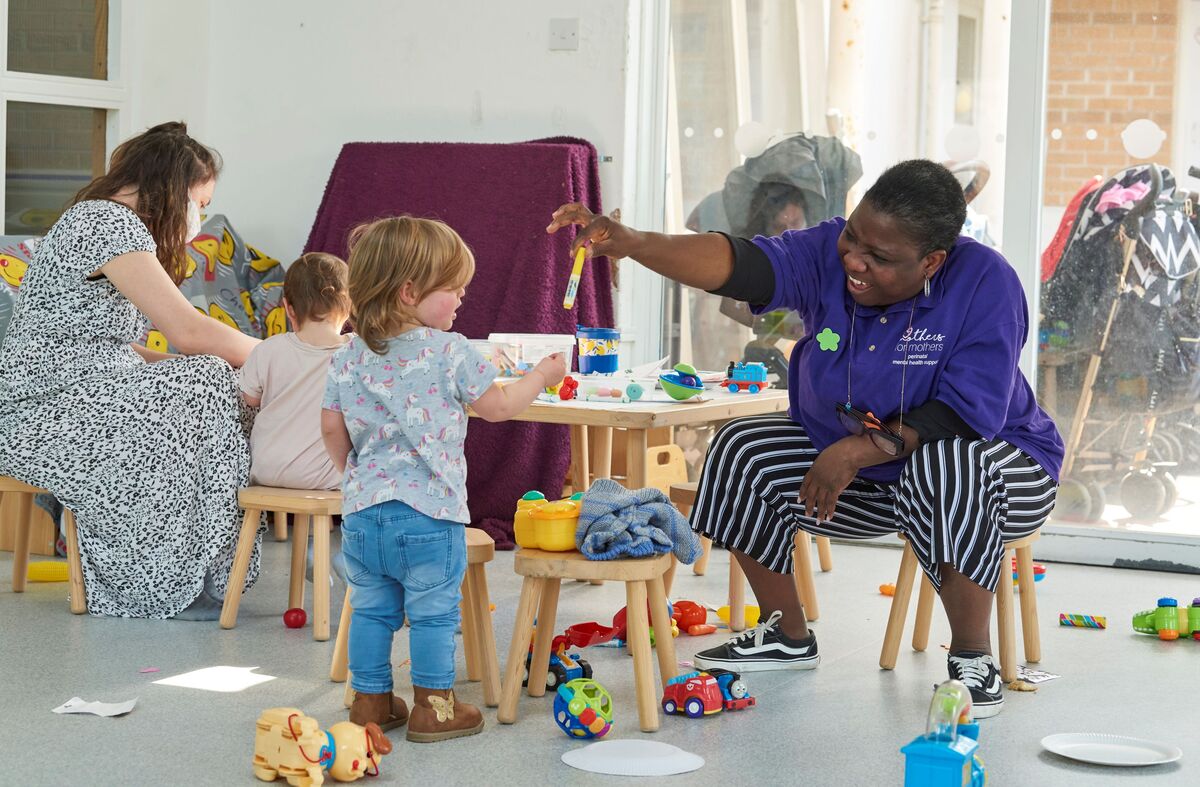
Image credit: Stewart Williams Photography
As Mothers for Mothers approached its 45th anniversary, CEO Maria Viner knew the charity needed a robust business plan to sit alongside its recently developed strategy. The organisation had grown significantly over the previous five years, and a previous three-year plan had been set aside when the pandemic arrived, and demand surged. With so much having changed, the prospect of starting again felt daunting.
"The organisation has changed so much over the years," Maria reflects. "It felt like one of those really monumental tasks to even know where to begin."
The charity held a wealth of data and had a clear sense of direction, but translating it into a structured, forward-looking document felt overwhelming for a small team already stretched on the ground. What Maria needed was a framework, accountability, and a steady outside hand to help her get it done.
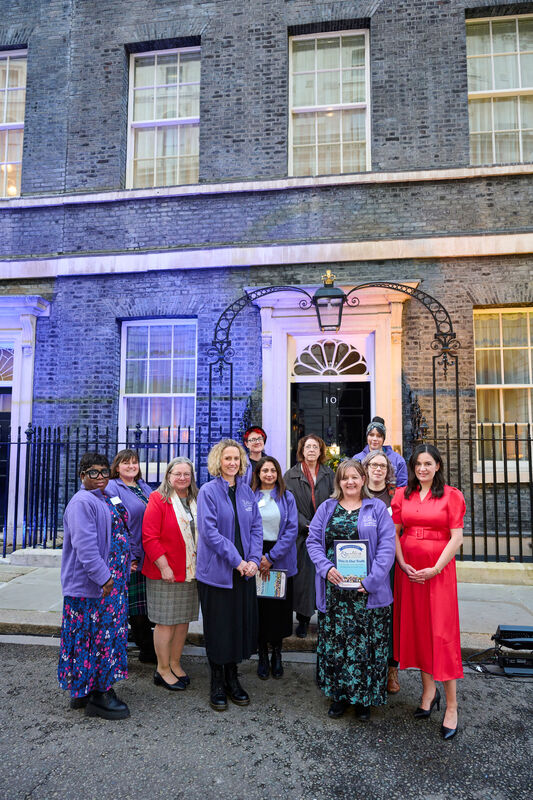
Heather Beer, Cranfield Trust's Regional Manager for the South West, matched Mothers for Mothers with Barbara Harris, a recently retired volunteer who had just moved to the Bristol area. With a career spanning support for African governments, NGOs, and business sectors, Barbara brought considerable experience to the project. Heather also saw a natural fit between the two. "Maria is very clear-sighted and very motivated," she says. "I thought she needed a volunteer who could bring a fresh external perspective from a different sector — someone to help them both consider the organisation from new angles."
Barbara provided a business plan template as a starting point rather than a rigid structure, and helped Maria and the senior leadership team map their existing data onto it, identifying gaps rather than going over familiar ground. She also introduced a structured set of deadlines. For Maria, this proved transformative. "It meant something that I'd been procrastinating with for a really long time actually came into being," she said.
"I can't imagine us doing such an enormous piece of work without somebody like her, with her expertise and knowledge, sitting there in the background."
Barbara also took time to actively engage with the Chair of Trustees, helping the board feel involved in the development and approval process, and making sure that fundraising responsibilities were clearly documented across the team to support succession planning.
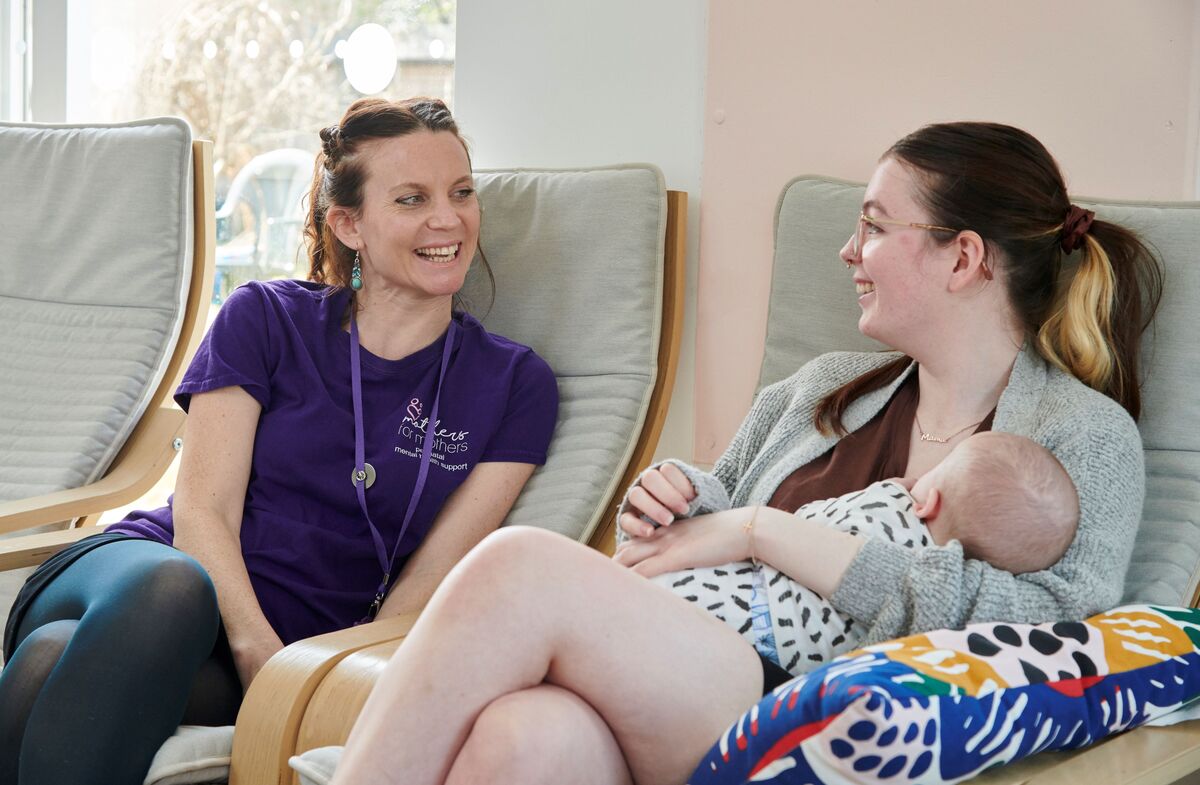
Image credit: Stewart Williams Photography
The business plan is still being finalised ahead of formal board sign-off, but its effects are already being felt. For Maria personally, the process delivered a meaningful growth in confidence.
"The main impact on me was, really, that I was able to do this, and do it to a level I was able to feel proud of."
For the organisation, the plan means Maria can now report against strategy and clear deliverables at board level, rather than on service activity alone. It also gives the charity a practical framework for planning, fundraising, and growth, and ensures its direction of travel is documented and shared.
As Heather puts it, the goal was to help Mothers for Mothers translate their strategic ambitions "into something that's a concrete, achievable, realistic plan for the next 12 to 18 months." For a charity doing vital work amid growing demand, that foundation matters.


