Retail expansion strategy
Salcare


Salcare, a Derbyshire charity supporting people affected by domestic abuse, poverty, and financial hardship, was connected with Cranfield Trust through the Coalfields Regeneration Trust's National Lottery-funded programme to explore whether expanding its retail operation could provide a more sustainable source of unrestricted income. Cranfield Trust volunteer Richard Cockburn built a business case and financial model, stress-testing it against multiple scenarios. The evidence led Salcare to take a more measured, lower-risk path, reinvesting in and streamlining its existing retail offer rather than expanding off-site, giving CEO Don Davis and the trustees the clarity and confidence to make an informed decision while keeping their long-term ambition of greater financial sustainability firmly in view.
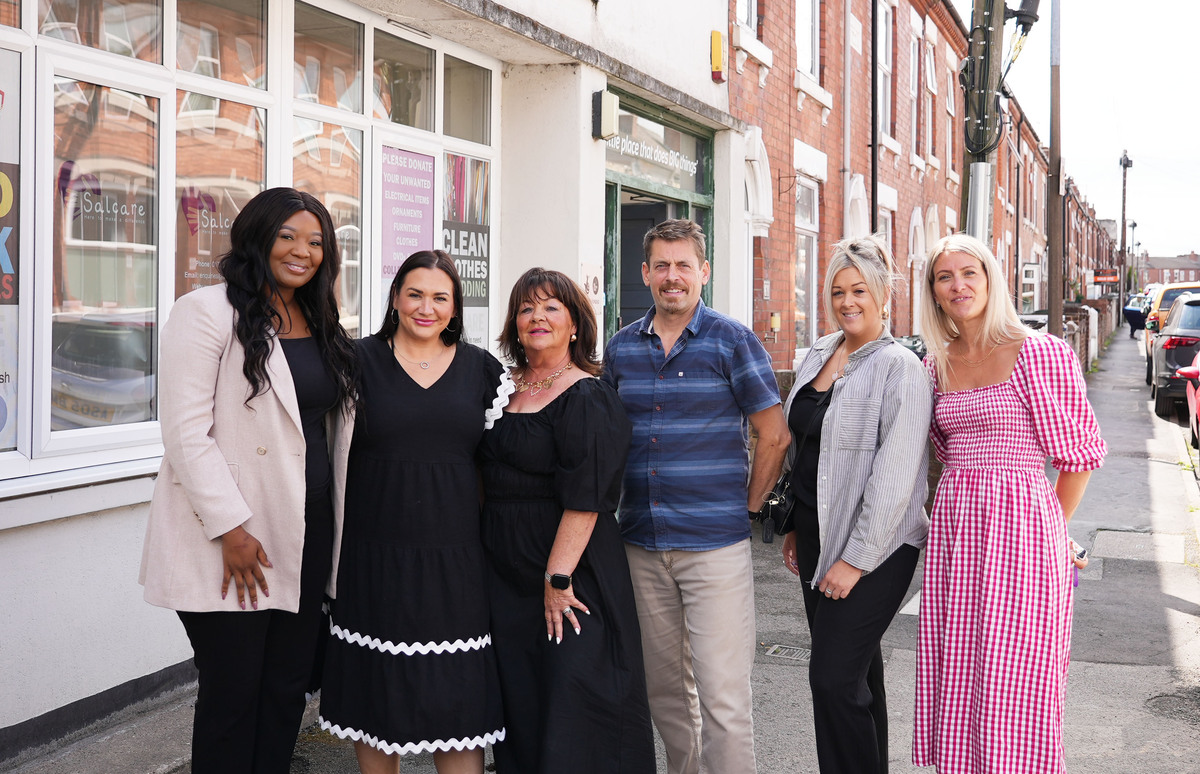
Salcare is a community charity based in Heanor, Derbyshire, supporting families and individuals across the Amber Valley and Erewash districts. Founded in 1977, it describes itself as a "one-stop shop", helping people affected by domestic abuse, poverty, and financial hardship to make safer choices and build new futures. As CEO Don Davis puts it, "People go into crisis throughout their life, and we're here to support them."
As part of a National Lottery-funded partnership between the Coalfields Regeneration Trust (CRT) and Cranfield Trust, Salcare was given the opportunity to access free, tailored consultancy. The partnership works to improve the resilience and sustainability of voluntary organisations across six Coalfields Regeneration regions, with the support open to CRT members. Don first encountered Cranfield Trust after seeing a presentation at a CRT event. "Free consultancy? Why would we not want that?" he recalls thinking.
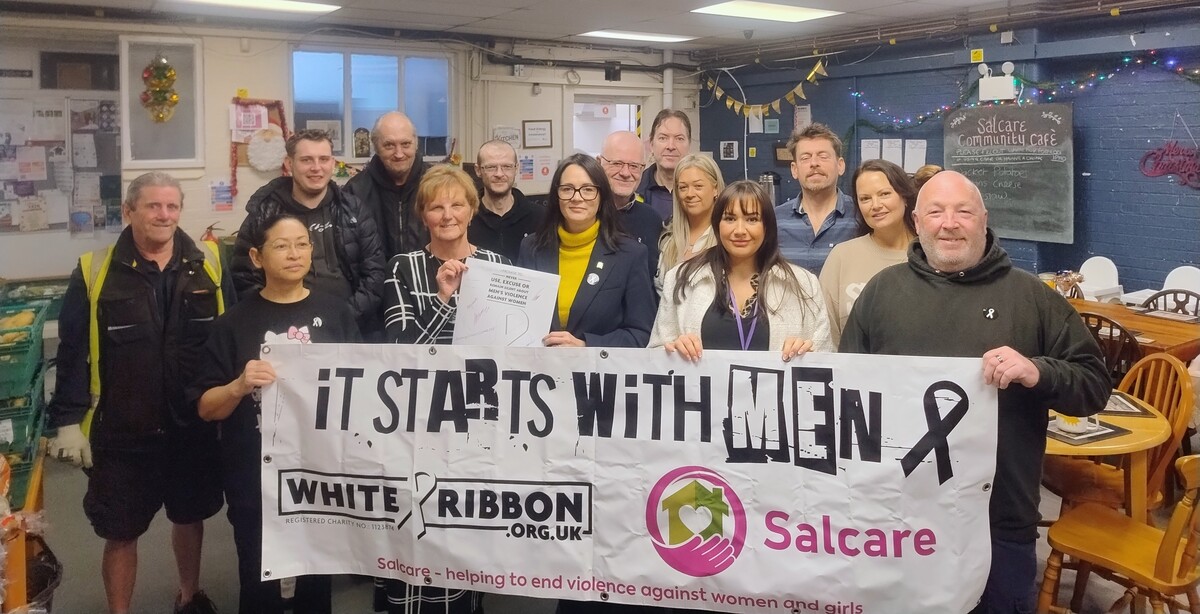
Like many charities, Salcare faces real pressure around sustainable income. A significant proportion of its funding comes from the local Police and Crime Commissioner, a source now at risk given the planned abolition of that role, alongside some National Lottery funding. The charity wanted to grow its unrestricted income and reduce that reliance.
The trustees saw potential in the charity's retail offer: furniture sold from a warehouse, with books, DVDs, and clothing alongside the community pantry that draws most customers in. The question was whether to open a new store off-site to reach a wider clientele and secure better value for incoming donations. But expansion carried real risk for an organisation with limited reserves, and, as project volunteer Richard Cockburn observes, "These guys are focused on charitable work. They're not retailers."
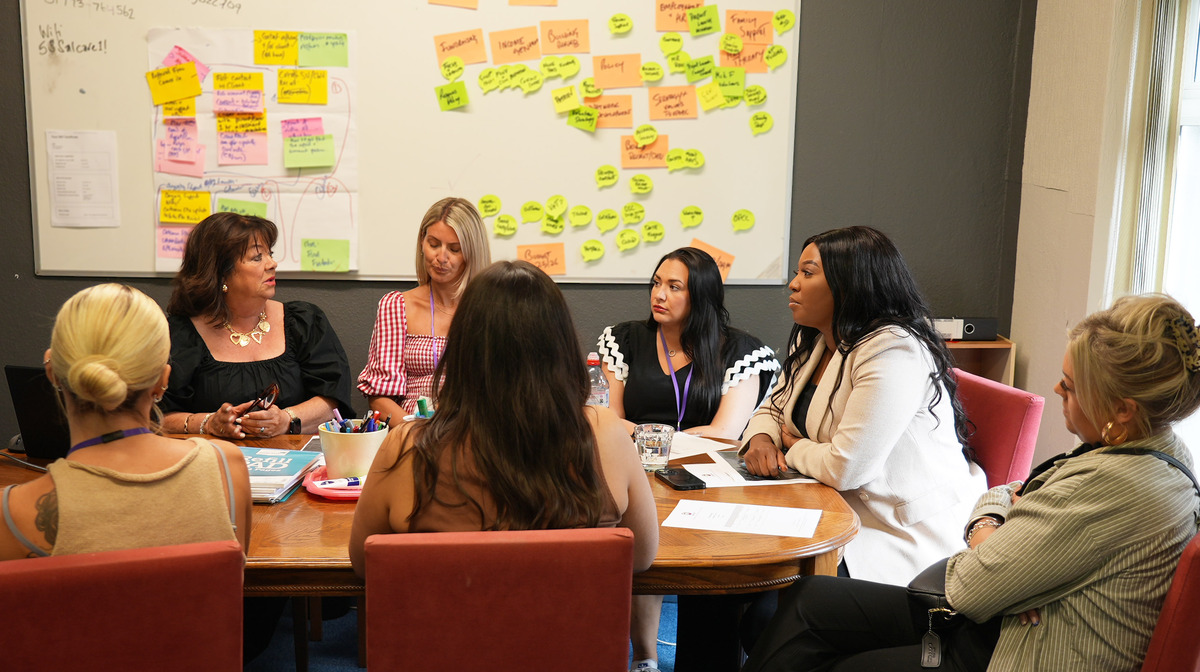
Cranfield Trust Regional Manager, Adam Wilkins, matched Salcare with Richard, a volunteer with extensive retail experience gained across several national charities. "He's got a great deal of experience in the retail area," says Adam, "and has certainly brought a lot of benefit in terms of understanding whether the opening of another shop would have the benefits outweighing the costs."
Acting as an independent advisor to Don and the trustees, Richard examined the existing operation, then built a business case and financial model, stress-testing it against best- and worst-case scenarios. Crucially, he was clear-eyed about the risks. "My biggest concern was that they didn't think this was a silver bullet that was going to finish their woes," he explains. With little in reserve to invest, he was careful not to promote a particular outcome. "My job wasn't promoting a particular solution, but helping them make a decision based on evidence, on logic, and on financial planning, so they knew exactly what they were getting themselves into."
For Don, Richard's contribution was invaluable. "Richard was an absolute gift," he says. “He was absolute gold in terms of the information, the potential pitfalls, and the rewards. He was absolutely fundamental in our decision not to go down this road."
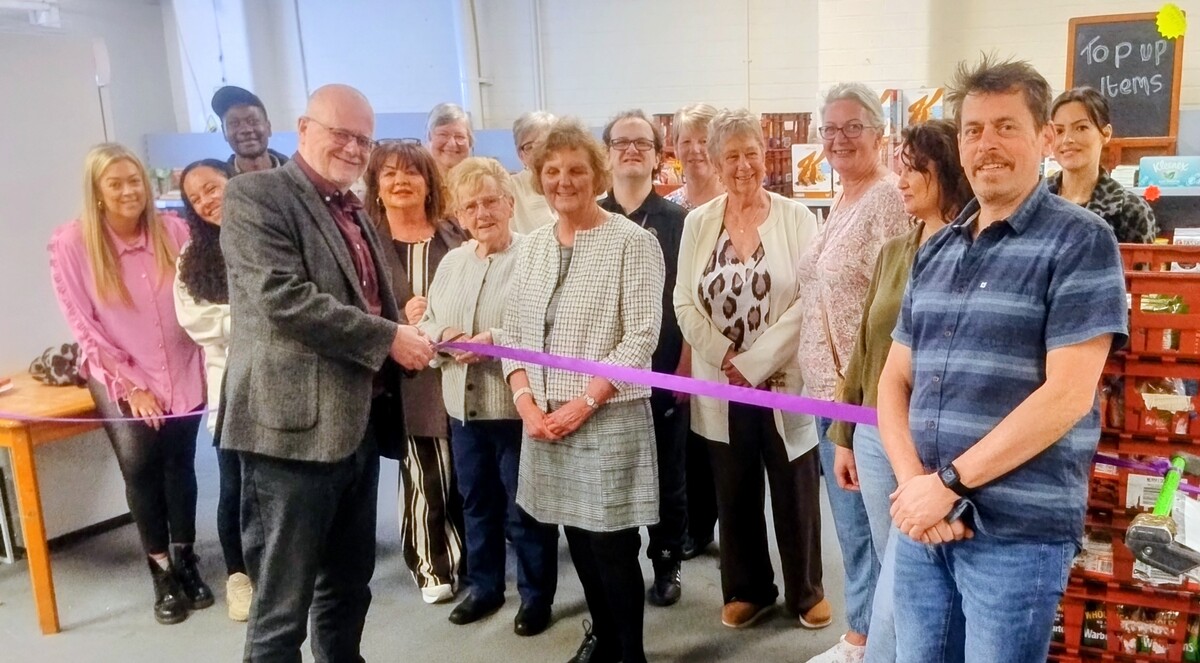
Guided by Richard's analysis, Salcare took the considered decision not to pursue the off-site expansion, recognising it carried more risk than the charity could comfortably afford at this stage. "We made the right decision not to go for the high street retail option," says Don. "We've saved the organisation money, and we've invested in the right area." Instead, Salcare has reinvested in and streamlined its existing offer, improving its marketing and already generating a larger surplus than before.
That stronger, lower-risk income stream matters for a charity facing the loss of funding tied to the Police and Crime Commissioner. By growing unrestricted income it controls itself, rather than committing limited reserves on an unproven store, Salcare becomes less dependent on funding that could disappear and more able to weather change. It also protects the services people rely on: the more resilient the charity's finances, the more confidently it can keep supporting families through domestic abuse, poverty, and crisis for the long term.
The charity's post-project review reflected this progress, with positive movement on having a clear strategy, a more robust income approach, and a more diverse board. Richard views the outcome as a clear success, even though it diverged from the original plan. The work gave the trustees the evidence to make an informed, lower-risk decision rather than relying on gut feel. "By taking a phased approach, they can manage the risk appropriately. They can focus on their core mission — supporting local, vulnerable people — but start to find ways of generating more income.”


