Governance structure review
Scottish Mountain Rescue
June 2026
Scottish Mountain Rescue (SMR) worked with Cranfield Trust volunteer Bob Young to undertake a comprehensive review of its governance structure. Over 18 months, Bob conducted extensive stakeholder consultation, surveying around 800 members and engaging 40 stakeholders across eight groups, to develop proposals that the full membership voted unanimously to adopt. The result is a leaner, more strategic board, a new paid Operations Director role, and a revised constitution that gives SMR the capacity and resilience it needs to face the future.
Scottish Mountain Rescue is a charity that represents and supports 26 volunteer Mountain Rescue Teams across Scotland. Founded in 1965, SMR exists to ensure its member teams have the best possible environment in which to carry out their life-saving work. It provides insurance, training, fundraising, and acts as a coordinating voice with government and statutory emergency services. With more than 850 dedicated volunteers available 24 hours a day, 365 days a year, SMR and its member teams are a vital part of Scotland’s emergency response landscape.
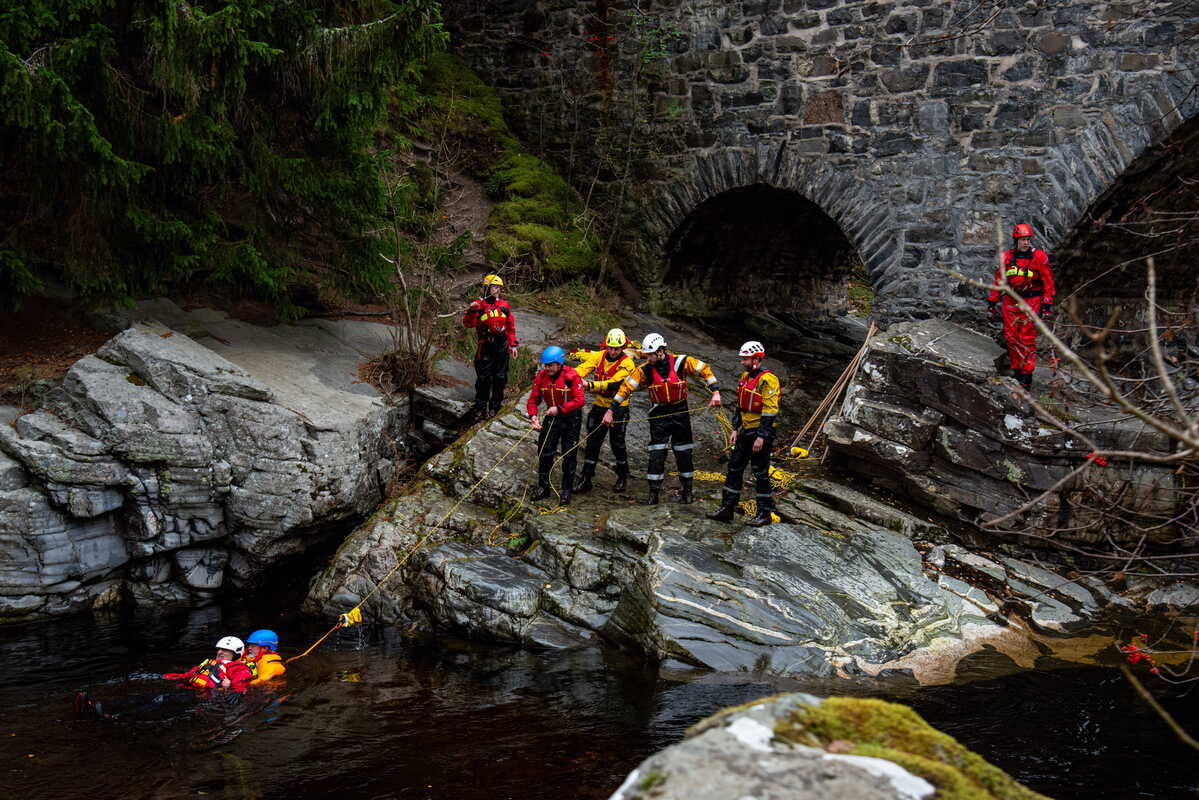
Over six decades, SMR had grown significantly in both scale and complexity. What had started as a straightforward mountain rescue coordination body now operated across a much broader remit, encompassing safeguarding, community resilience work, and a more demanding regulatory environment. The organisation’s annual income had grown to over £1 million, and the expectations placed on its volunteer trustees had grown with it. Donald MacRae, Chair of Scottish Mountain Rescue, describes the organisation as one that has had to evolve considerably. “Over the years, the charity has grown and developed,” he says. “As it has done so, it’s increased in size both in terms of the office staff, but also the workload that the trustees had to take on.”
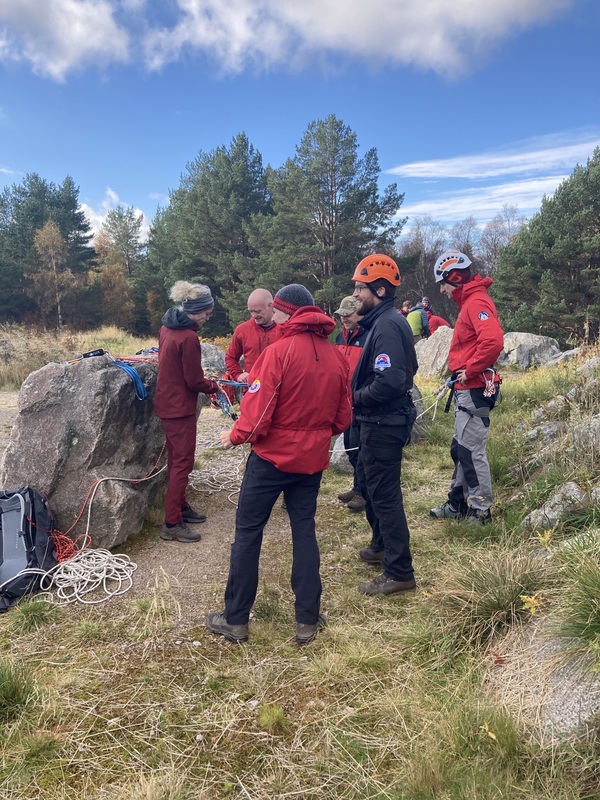
SMR’s trustee board was drawn entirely from the membership and comprised experienced mountain rescue volunteers who were already giving considerable time to active rescue work. On top of those commitments, trustees were also carrying the weight of day-to-day operational management, leaving little room for the longer-term strategic thinking the organisation urgently needed. “In many ways, we were struggling with our own successes,” Donald explains. “We were really wanting to focus on our strategic direction, but our trustees were very much tied up in operational work.”
With an executive committee of up to 15 trustees, even organising group discussions focused on strategy had become difficult. Recruiting new people into those roles was growing harder because the ask had simply become too large. A board’s proper function is governance and not the day-to-day running of operations. SMR came to Cranfield Trust looking for support to rethink how the organisation was structured, so that its board could step back into that governance role and focus on where it could add the most value.
When SMR came to Cranfield Trust in spring 2024, Stephen Cahill, Cranfield Trust’s Scotland Manager, identified volunteer consultant Bob Young as the right fit for the project. Bob is a former international management consultant with a PhD in business strategy, based in southern Perthshire and well-placed to understand SMR’s situation. With the engagement running through to the October 2025 AGM, the timeline allowed for a thorough, staged approach that respected both the seasonal demands on SMR’s volunteers and the complexity of the project.
Bob began with a series of one-to-one conversations across SMR’s leadership and membership. His starting point was figuring out the right questions to ask. “Clients often say: fix this, or do that,” he reflects. “But quite often that isn’t the right question. I spent a lot of time really trying to understand exactly what the questions were.” Using issues analysis, he moved beyond surface-level symptoms to identify what SMR truly needed to address.
From there, Bob mapped the full stakeholder landscape, identifying 40 distinct stakeholders across eight groups, from frontline volunteers and the SMR executive through to Police Scotland, government bodies, and funders. A wide-ranging consultation followed: a survey reaching around 800 members, virtual town hall meetings across Scotland, and focused sessions with the executive committee. For Donald, one of the most valuable aspects of this process was the opportunity it created to step back. “One of the things that struck me fairly early on was the time it provided to step away from the day-to-day operational activities of the charity and reflect on that bigger picture of where there is need,” he says.
The proposals that emerged centred on significant restructuring:
At a full general meeting in spring 2025, representatives from SMR’s member teams heard the proposals and voted unanimously to proceed. Legal work to update the constitution followed, with the new structure formally given the green light at the October 2025 AGM.
With a new constitution in place, SMR is now building the organisational infrastructure it needs for the next phase of its development. For Bob, the most fundamental outcome is one of sustainability. “First and foremost, I think this is going to put SMR into a space where they’re much more sustainable,” he says. “By restructuring, putting some oxygen into the organisation, trustees can think more about strategy and overall governance, while the operational groups focus on what they need to do.”
The changes also allow SMR to respond more confidently to the pressures ahead. Donald is clear about what the project has made possible. “I’m confident that following on from Bob’s work and the support of Cranfield Trust, we have the secure opportunity to continue the change process,” he says, “delivering a new constitution, a new board with a clear strategic focus, and an increased capacity in our office team to provide greater support for teams across the country.”
For Donald, working with an external consultant for the first time in the charity’s history was a significant step, and one that paid off. “For one of the first times, it was really useful to get feedback via Bob about the powerful work that our members do, and the credit they were given by the statutory emergency services we work alongside day and night,” he says. “Bob had a talent for listening carefully and bringing people together in a way that provided success.”
Stephen Cahill sums up why projects like this have lasting value: “It’s about the longevity of benefit. It’s enabling SMR to really navigate the future successfully and take the bumps in the road as they come along.” Cranfield Trust and SMR continue to stay in touch, with further support under discussion to help the incoming board settle into its new responsibilities.


